
(805) 983-0922
info@cabrillocardiology.com

Protect Your Heart Health
Over time, our group has continued to grow, and we currently have seven cardiologists on our team. As part of our commitment to offering comprehensive cardiology solutions for all of our patients, we provide the following comprehensive diagnostic and treatment of cardiovascular disease.
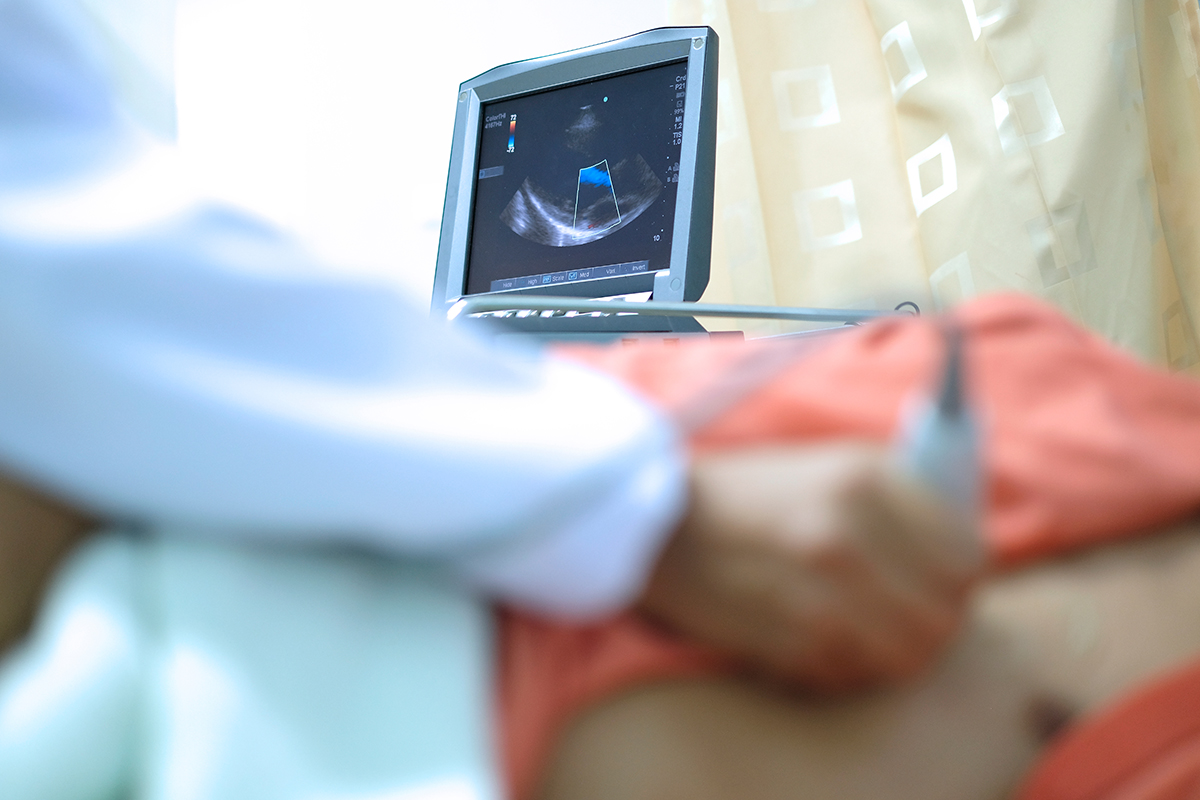
Cardiovascular Services
Electrocardiogram
Echocardiography
Stress Echocardiogram
Exercise Stress Test
Myocardial Perfusion
During the stress test, a radioactive isotope (sestamibi) is injected into the bloodstream once during the exercise portion of the test and again when the patient is at rest. Images of the heart will be taken shortly after each injection to show any areas of the heart that are not receiving enough blood. Both sets of images will be interpreted by a board-certified nuclear cardiologist before providing the patient with the results.
Coronary Angioplasty
Cardiac Cath
Using this catheter, doctors can then do diagnostic tests as part of a cardiac catheterization. Some heart disease treatments, such as coronary angioplasty, also are done using cardiac catheterization.
Usually, you’ll be awake during cardiac catheterization, but given medications to help you relax. Recovery time for a cardiac catheterization is quick, and there’s a low risk of complications.
ASD and PFO Closures
Patent Foramen Ovale (PFO)
Percutaneous closure is a surgical procedure used to treat patients with patent foramen ovale (PFO) and atrial septal defect (ASD). Advancements in device technology and image guidance now permit the safe and effective catheter-based closure of numerous intracardiac defects, including PFO and ASD.
Valvuloplasty
EECP
Enhanced External Counter Pulsation (EECP) is performed as a non-invasive treatment to lower the number and intensity of angina episodes. Treatment is administered through three pairs of external inflatable cuffs that are applied around the lower legs, upper legs and buttocks.
TAVR
TAVR is a minimally invasive surgical procedure repairs the valve without removing the old, damaged valve. Instead, it wedges a replacement valve into the aortic valve’s place. This revolutionary procedure may be called a transcatheter aortic valve replacement (TAVR) or transcatheter aortic valve implantation.
Peripheral Services
Venous Doppler
Carotid Ultrasound
Carotid ultrasound is a painless imaging test that uses high-frequency sound waves to create pictures of the inside of your carotid arteries. This test uses an ultrasound machine, which includes a computer, a screen, and a transducer. The transducer is a handheld device that sends and receives sound waves.
Abdominal Ultrasound
The abdominal aorta is the artery that runs through the middle of the abdomen, supplying blood to the lower half of the body. It can develop an aneurysm, which is a localized, balloon-like expansion caused by having weak walls. If an aneurysm is suspected, an abdominal aortic ultrasound, which provides information about blood flow through the aorta, may be performed.
Renal ultrasound
A renal ultrasound is a safe and painless test that uses sound waves to make images of the kidneys, ureters, and bladder. The kidneys are a pair of bean-shaped organs located toward the back of the abdominal cavity, just above the waist. They remove waste products from the blood and produce urine.
Ankle Brachial Index (ABI)
The ankle–brachial pressure index (ABPI) or ankle–brachial index (ABI) is the ratio of the blood pressure at the ankle to the blood pressure in the upper arm (brachium). Compared to the arm, lower blood pressure in the leg suggests blocked arteries due to peripheral artery disease (PAD).
Endovascular Intervention
Endovascular treatment offers a lower risk alternative to open surgery in many patients with multiple comorbidities. Noninvasive physiological tests and arterial imaging precede an endovascular intervention and help localize the disease and plan the procedure.
Varicose Vein Ablation
Electrophysiology Services
Pacemaker Implant
AICD Implant
Device Battery Replacement
A pacemaker battery usually lasts 7 to 8 years. When the battery runs down, a new pacemaker will be implanted. The surgery to replace the old pacemaker with a new one usually requires a local anesthetic. In most cases, your original pacemaker leads will not need to be replaced.
The ICD battery will be checked during regular checkups, which should occur every three to six months. When the battery is nearly out of power, your old shock generator is replaced with a new one during a minor outpatient procedure.
Watchman
Complex Ablations For A-FIB, A-FLUTTER, VT, SVT, PVC
Dr. Ali Sovari specializes in complex ablations, and accepts new patients for first time evaluations as well as new patients seeking to have a redo ablation. Dr. Sovari regularly performs these procedures at St. John’s Regional Medical Center and Cedars Sinai Los Angeles.
Implantable Cardiac Monitoring
Arrythmia Interogations
Holter Monitors are a portable device that records the rhythm of the heart continuously, typically for 24–48 hours, by means of electrodes attached to the chest.
Preparing For Your Appointment
Once you have scheduled an appointment, you can fill out the patient forms at home, or you can come in 15-20 minutes before your appointment to fill out the paperwork .
Better Health Care is Our Mission
Protect Your Heart Health

Oxnard Location
2241 Wankel Way, Suite C • Oxnard, CA 93030
Phone: (805) 983-0922
Monday to Friday 8:00am – 5:00pm
Saturday & Sunday Closed
Camarillo Location
400 Camarillo Ranch Rd., Suite 205 • Camarillo, CA 93010
Phone: (805) 983-0922
Monday to Friday 8:00am – 5:00pm
Saturday & Sunday Closed
Thousand Oaks Location
2100 Lynn Rd, Suite 215 • Thousand Oaks, CA 91360
Phone: (805) 983-0922
Monday to Friday 8:00am – 5:00pm
Saturday & Sunday Closed

Oxnard Location
2241 Wankel Way
Suite C
Oxnard, CA 93030
Camarillo Location
400 Camarillo Ranch Rd.,
Suite 205
Camarillo, CA 93010
