(805) 983-0922

Cabrillo Cardology Medical Group, Heart Institute

Protect Your Heart Health

Over time, our group has continued to grow, and we currently have eight cardiologists on our team. As part of our commitment to offering comprehensive cardiology solutions for all of our patients, we provide the following comprehensive diagnostic and treatment of cardiovascular disease.
Cabrillo Cardiology, Procedures

Cardiovascular Services

Electrocardiogram
An electrocardiogram, also known as an EKG or ECG, is a noninvasive diagnostic test that detects electrical activity in the heart. It is usually part of a routine physical exam and is commonly performed after patients have experienced heart attack symptoms including chest pain, shortness of breath and heart palpitations. An EKG produces a record of waves that relate to the electrical impulses that occur during each beat of a patient’s heart.
Echocardiography
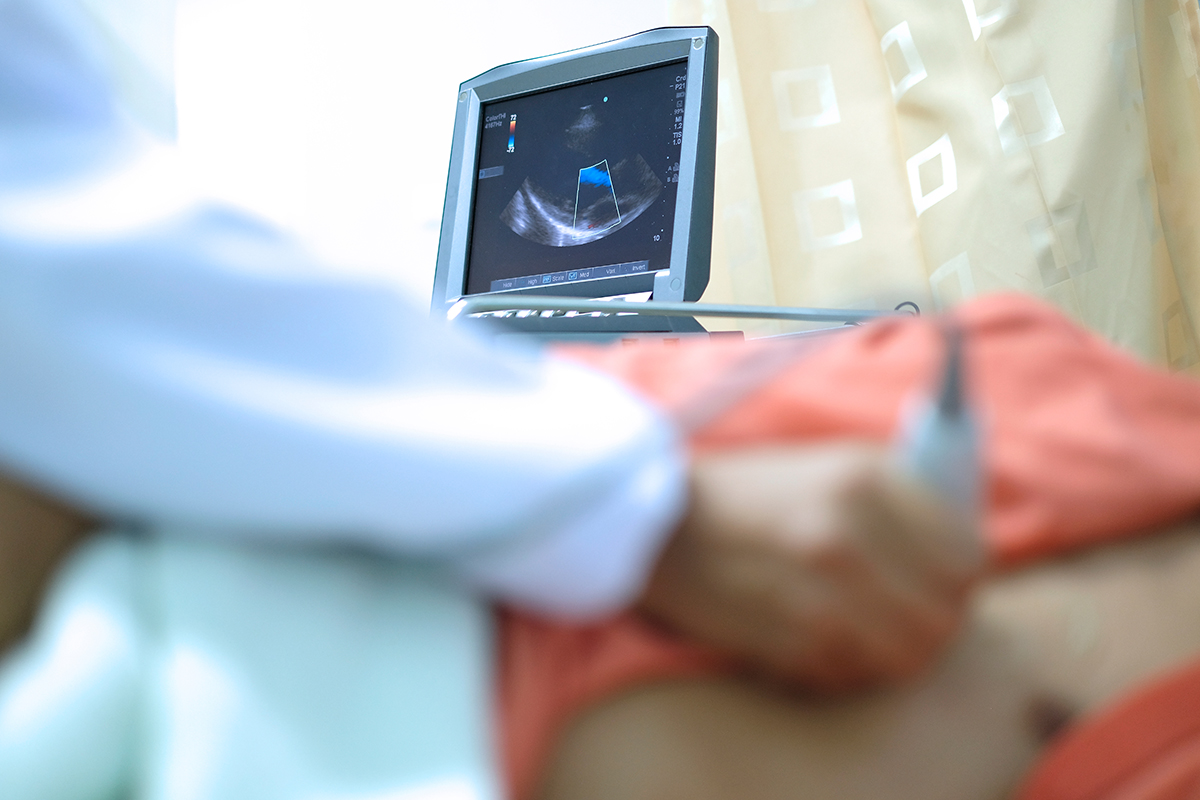
Echocardiography uses an echocardiogram (ultrasound of the heart) to assess the functioning and health of the heart by creating images out of sound waves. In addition to detecting many other heart problems, echocardiograms can diagnose specific heart conditions; determine if heart abnormalities exist; and evaluate the effectiveness of procedures that have been performed on the heart.
Stress Echocardiogram
A stress echocardiogram is a diagnostic test used to evaluate the strength of the heart muscle as it pumps blood throughout the body. Using ultrasound imaging, the stress echocardiogram detects and records any decrease in blood flow to the heart caused by narrowing of the coronary arteries. The test, which takes place in a medical center or in the doctor’s office, is administered in two parts: resting and with exercise. In both cases, the patient’s blood pressure and heart rate are measured so that heart functioning at rest and during exercise can be compared. The ultrasound images enable the doctor to see whether any sections of the heart muscle are malfunctioning due to a poor supply of blood or oxygen.
Exercise Stress Test
An exercise stress test is used to evaluate how well your heart functions during physical activity. This non-invasive cardiac test can reveal problems with your heart that can go undetected because exercise makes your heart pump harder and faster than it otherwise normally would. Your doctor will ask you to exercise on a treadmill while they monitor your blood pressure, heart rhythm and EKG tracing.
Myocardial Perfusion
Nuclear perfusion imaging, also known as a nuclear stress test, is a diagnostic test performed to determine if the heart is receiving adequate blood supply under both stress and rest conditions. The test is done with the injection of a small amount of radioactive material into the bloodstream, which will circulate throughout the body and help to evaluate the blood flow and function of the heart. This procedure is performed to determine the risk of a heart attack and to show if there is a limited blood flow to the heart and determine the best treatment plan for serious heart conditions.

During the stress test, a radioactive isotope (sestamibi) is injected into the bloodstream once during the exercise portion of the test and again when the patient is at rest. Images of the heart will be taken shortly after each injection to show any areas of the heart that are not receiving enough blood. Both sets of images will be interpreted by a board-certified nuclear cardiologist before providing the patient with the results.

Coronary Angioplasty
Angioplasty opens blocked arteries and restores normal blood flow to your heart muscle. It is not major surgery. It is done by threading a catheter (thin tube) through a small puncture in a leg or arm artery to the heart. The blocked artery is opened by inflating a tiny balloon in it.
Cardiac Cath
A cardiac catheterization is a procedure used to diagnose and treat cardiovascular conditions. During cardiac catheterization, a long thin tube called a catheter is inserted in an artery or vein in your groin, neck or arm and threaded through your blood vessels to your heart.

Using this catheter, doctors can then do diagnostic tests as part of a cardiac catheterization. Some heart disease treatments, such as coronary angioplasty, also are done using cardiac catheterization.

Usually, you’ll be awake during cardiac catheterization, but given medications to help you relax. Recovery time for a cardiac catheterization is quick, and there’s a low risk of complications.

ASD and PFO Closures
ASD CLOSURE – Atrial Septal Defect (ASD) is an opening or hole in the wall that separates the two upper chambers of the heart. This wall is called the atrial septum. The hole causes oxygen-rich blood to leak from the left side of the heart to the right side. Different types of closure devices are used to close a hole or an opening between the right and left sides of the heart. Some of these birth defects are located in the wall (septum) between the upper chambers (atria) of the heart.

Patent Foramen Ovale (PFO)

Percutaneous closure is a surgical procedure used to treat patients with patent foramen ovale (PFO) and atrial septal defect (ASD). Advancements in device technology and image guidance now permit the safe and effective catheter-based closure of numerous intracardiac defects, including PFO and ASD.

Valvuloplasty
Aortic Valvuloplasty also known as balloon aortic valvotomy is the widening of a stenotic aortic valve using a balloon catheter inside the valve. The balloon is placed into the aortic valve that has become stiff from calcium buildup.
EECP

Enhanced External Counter Pulsation (EECP) is performed as a non-invasive treatment to lower the number and intensity of angina episodes. Treatment is administered through three pairs of external inflatable cuffs that are applied around the lower legs, upper legs and buttocks.

TAVR

TAVR is a minimally invasive surgical procedure repairs the valve without removing the old, damaged valve. Instead, it wedges a replacement valve into the aortic valve’s place. This revolutionary procedure may be called a transcatheter aortic valve replacement (TAVR) or transcatheter aortic valve implantation.

Preparing For Your Appointment

Once you have scheduled an appointment, you can fill out the patient forms at home, or you can come in 15-20 minutes before your appointment to fill out the paperwork .

Better Health Care is Our Mission

Protect Your Heart Health

Cabrillo Cardology Medical Group

Oxnard Location

2241 Wankel Way, Suite C • Oxnard, CA 93030

Phone: (805) 983-0922

Monday to Friday 8:00am – 5:00pm
Saturday & Sunday Closed

Camarillo Location

400 Camarillo Ranch Rd., Suite 205 • Camarillo, CA 93010
Phone: (805) 983-0922

Monday to Friday 8:00am – 5:00pm
Saturday & Sunday Closed

Cabrillo Cardology Medical Group Heart Institute

Oxnard Location

2241 Wankel Way
Suite C
Oxnard, CA 93030

Camarillo Location

400 Camarillo Ranch Rd.,
Suite 205
Camarillo, CA 93010